



Digital Identity Wallets & Decentralized Identity: The Future of Verification Beyond KYC
Introduction: Beyond Traditional KYC - Enter the Era of Digital Identity Wallets
In today’s digital-first world, secure and seamless identity verification has become foundational to business, government services, and citizen experiences. Traditional Know Your Customer (KYC) verification methods - largely manual, repetitive, and centralized - are now struggling to keep pace with digital adoption, increasing fraud risks, and rising expectations for instant verification worldwide.
This is where Digital Identity Wallets and Decentralized Identity systems become transformational. These technologies not only elevate security and privacy but also reshape how organizations make Data Decisions about identity. For businesses navigating complex digital ecosystems, IT Consulting around digital identity is no longer optional - it’s strategic.
1. Why Traditional KYC Verification Is Breaking Down in the Digital Economy
KYC has been a cornerstone of compliance - from banking onboarding to government service access. However, its centralized nature creates several challenges:
- Repeated data submission across platforms
- Slow onboarding due to manual checks
- High fraud risks from data replication and leaks

According to industry research, an estimated 86 billion digital ID verification checks will occur globally in 2025, up 15 % year-over-year. Yet, KYC systems often provide only point-in-time verification without ongoing data sovereignty or interoperability.
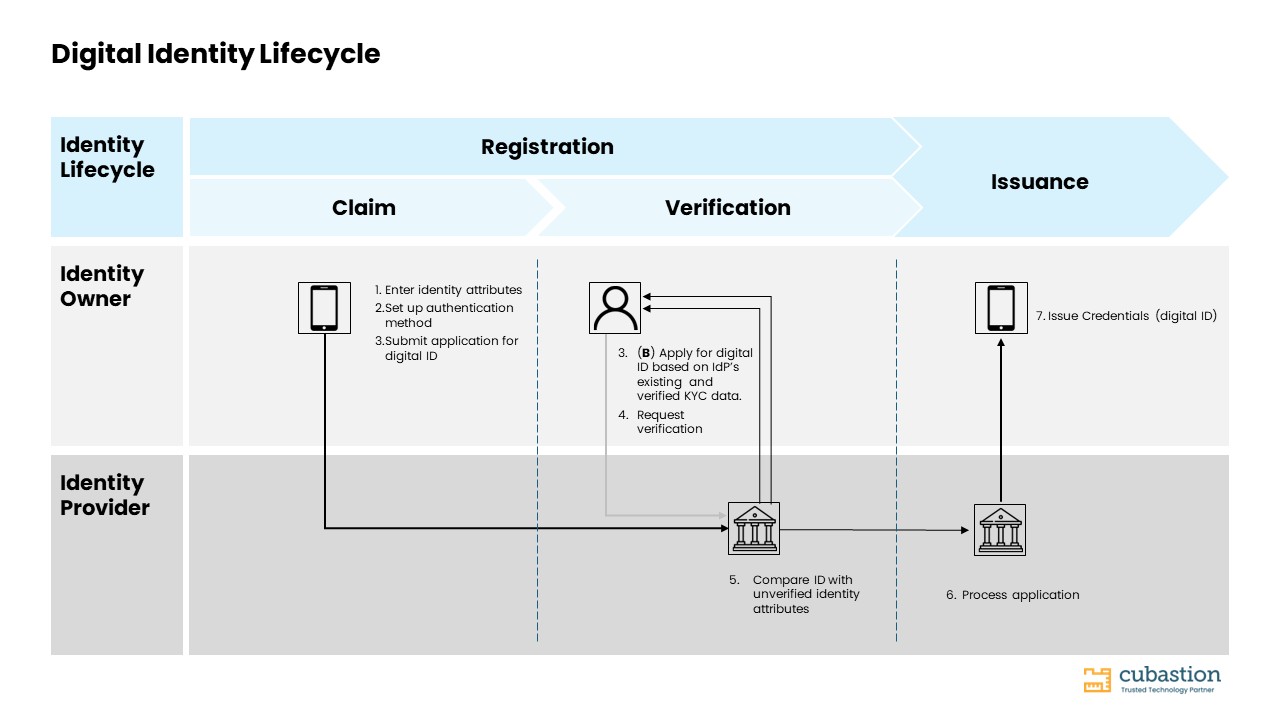
Enter Digital Identity Wallets - mobile or cloud-based repositories where individuals can securely store and present verifiable credentials instead of re-submitting sensitive documents every time they access a service.
Organizations benefit not only from reduced friction but also from dramatic improvements in Data Decisions, since digitally verifiable credentials allow real-time analytics to spot trends, fraud, and usage patterns.
2. The Rise of Digital Identity Wallets: A New Era of Data-Driven Verification
Digital Identity Wallets represent a major shift in identity management:
- They allow users to carry cryptographically secure identity credentials.
- These credentials are stored in wallets which the user controls.
- Wallets can be presented to services - with user consent - for instant verification.
According to market forecasts, the Digital Identity Wallet market is projected to grow to approximately USD 39.45 billion by 2026, expanding rapidly as enterprises and governments adopt digital identity solutions (Source: Digital Identity Wallet Market report) .
This shift elevates the role of AI, data analytics, and secure cryptographic standards in how companies and governments build identity platforms - fuelling demand for IT Consulting focused on identity architecture, data integration, and privacy-preserving verification workflows.
As the market grows, so does the emphasis on Data Decisions that balance security, privacy, and seamless user experiences.


